

Apple held its annual WWDC keynote yesterday, and the general consensus is that this was a quieter year. The software updates are real, but incremental. There were no major hardware announcements, no platform surprises, and nothing that fundamentally changes the Mac or Apple landscape.
That is not necessarily a criticism. But if you are trying to figure out whether anything here requires a change to your technical strategy or fleet plans, the short answer is: probably not. Here is a straightforward look at what was announced and where it actually applies to enterprise Mac and iOS environments.
What Apple announced at WWDC26
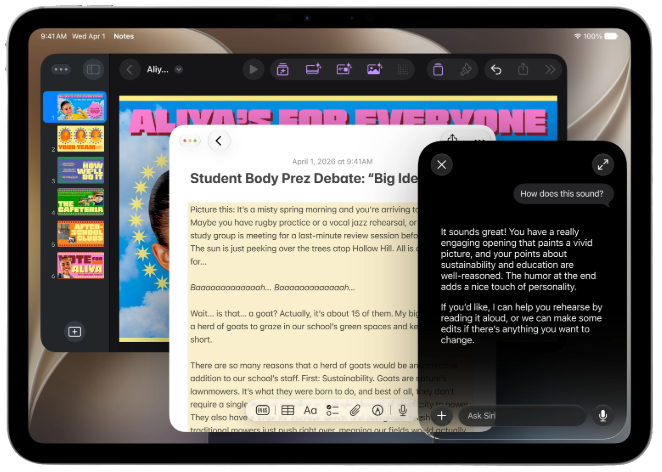
The headline announcements were macOS 27 (named Golden Gate), iOS 27, and a significant overhaul of Siri powered by Apple Intelligence. Apple is adding AI agents, persistent Siri conversations, on-screen context awareness, and support for third-party models including Claude, ChatGPT, and Gemini. A standalone Siri app is coming to iPad and Mac.
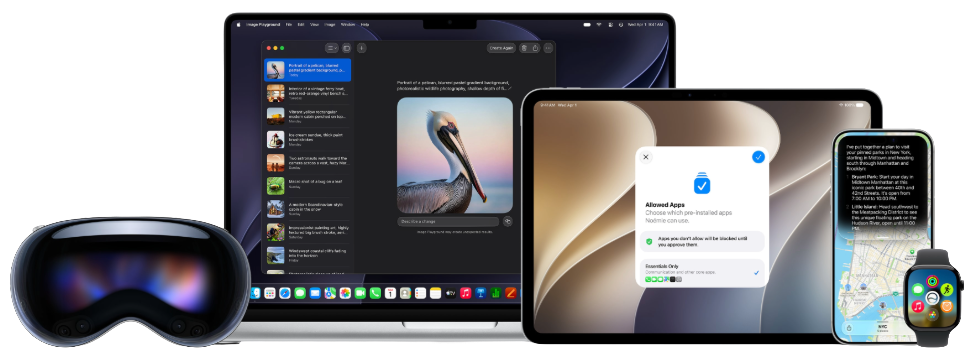
On the macOS side, Golden Gate brings performance improvements: Apple is claiming apps launch up to 30% faster, AirDrop transfers up to 80% faster, and a rebuilt infrastructure will improve search for Spotlight, Mail, and Photos. Users will be able to adjust the transparency of the Liquid Glass UI from last year with a slider control. macOS 27 also officially drops support for Intel-based Macs.
For developers, Xcode is getting an AI coding assistant that can simulate entire apps, building on the AI coding features already in Xcode 26. iOS 27 includes the same performance themes as macOS, with CPU scheduler changes that benefit older devices back to iPhone 11.
What Apple’s WWDC announcements actually mean for enterprise teams
Most of this is low urgency for enterprise teams.
The performance improvements in macOS 27 and iOS 27 will benefit end users on Apple silicon without much impact to enterprise IT teams or plans. The same is true for iOS 27 on older devices: a quieter, faster iPhone is a good outcome that requires no action on your part.
The Siri overhaul is potentially more meaningful. If your apps have Siri Intents or Shortcuts integrations, those will need validation against the new model. The third-party AI model support (Claude, ChatGPT, Gemini) is worth understanding from a compliance standpoint. Questions about when queries route on-device versus off have yet to be answered, but this is more of a watch-and-evaluate item, particularly for security-forward teams.
The Intel Mac deprecation in macOS 27 formalizes what most teams have already done. If you have migrated to Apple silicon, nothing changes for you. If you still have Intel machines in your CI environment or device fleet, this is your hard deadline to replace them.
Xcode's app simulation capabilities are interesting for individual developers, but they do not change how CI pipelines should be structured today. This is a tooling evolution to keep an eye on.
What Apple didn’t announce (and everyone is still waiting on)
New. Mac. Hardware.
While most insiders were not expecting new Mac minis or Studios to be announced, there is real public anticipation building around the next generation of Mac hardware. Updated Mac mini, Mac Studio, and Mac Pro models with new Apple silicon chips will be a much bigger story for enterprise infrastructure teams than anything announced at WWDC26. Those machines are what determine CI/CD throughput, build times, and the economics of dedicated Mac cloud infrastructure.
When that hardware is announced, it will have a direct impact on what your Mac build fleet should look like, how you plan upgrades, and what performance benchmarks you can expect. That is the announcement worth adjusting strategy around.
While the keynote gave us a high-level view, we’re currently digging into the deeper technical sessions. Stay tuned for our follow-up coverage of the Platform State of the Union, where we’ll be breaking down the architectural shifts and tooling updates that didn’t make the keynote cut but are critical for engineering and DevOps teams.
The MacStadium team will also share updates as soon as new Mac hardware is announced.
Get in touch with the MacStadium team or learn more about how Orka can help your team run macOS CI/CD on dedicated Apple silicon infrastructure.