

MacStadium Blog
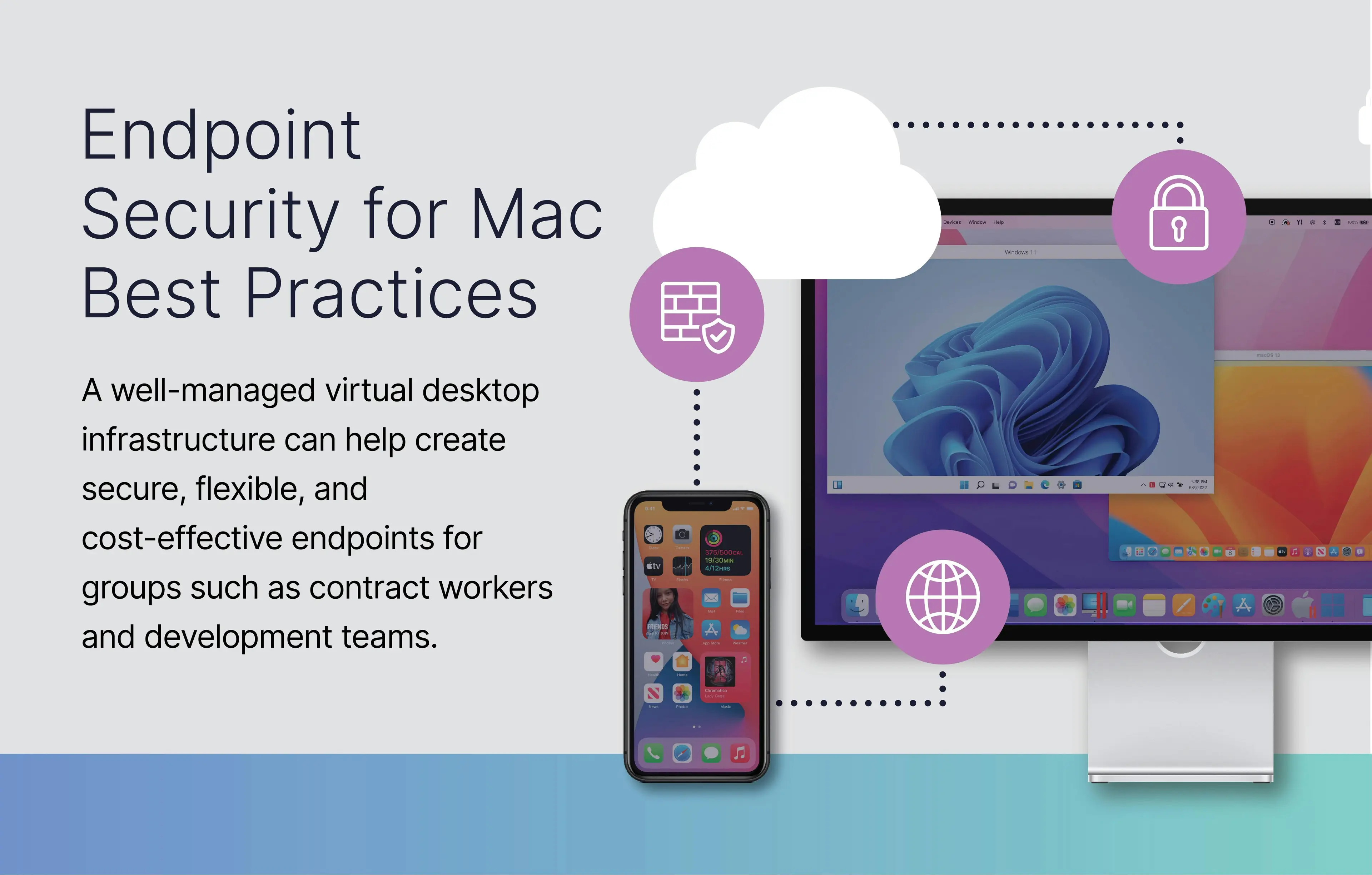
As Macs gain traction in business, they’re becoming a bigger target. IT teams must secure both physical and virtual Mac endpoints to prevent breaches and protect corporate data.
MacStadium’s Orka® is now on AWS Marketplace, bringing powerful macOS cloud and SaaS capabilities to developers and enterprises using AWS.

In its 2022 Hybrid Work Report, HP analyzes how digital workspaces redefine business, the challenges of hybrid work, and how IT can create better employee experiences.

MacStadium Announces Transition Path from VMware to Orka® Platform
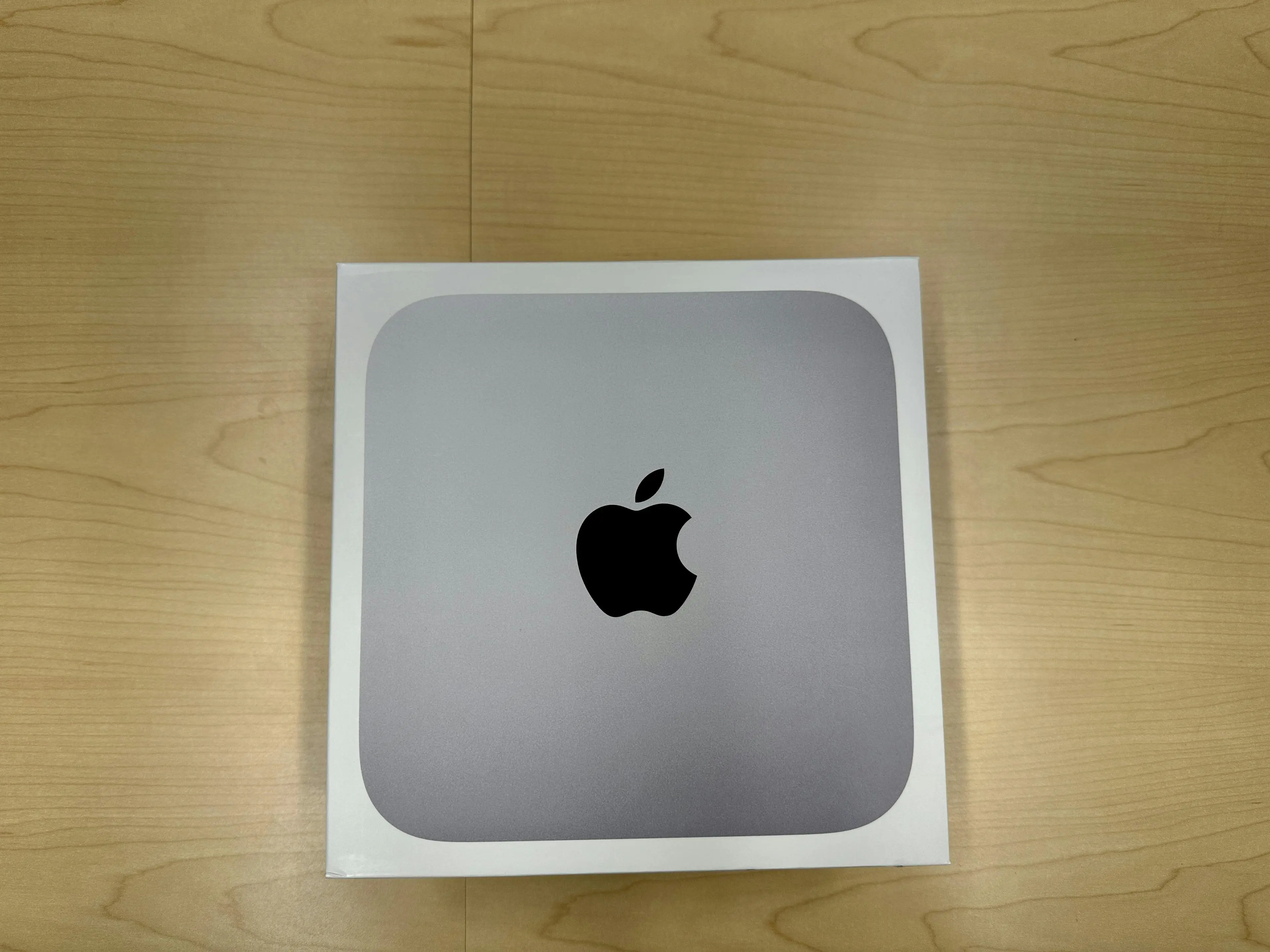
MacStadium's Brian Stucki gives a first look at (and teardown of) the Mac mini with M2 Pro.
MacStadium Announces Inaugural User Conference, Showcases World Class Enterprise Mac Virtualization and Cloud Solutions for macOS
Are you ready to move your iOS and macOS CI to Apple Silicon? We’ve got two Apple Silicon-compatible virtualization platforms to choose from: Orka and Anka. Learn which might be right for your team in this post.
Glovo is a Spanish, tech-first company that connects businesses, customers and couriers around the globe. Find out more about how Glovo transitioned from a fully managed CIaaS solution to MacStadium's Orka for iOS continuous integration in order to expedite value delivery to their user base.
Helm simplifies the process of maintaining and deploying large numbers of K8s resources by bundling them up into a single package called a Helm Chart that can be configured easily for different environments. Learn how to get started with Helm in this post.
If you're working on a Mac equipped with Apple Silicon and you leverage Docker, there's a good chance you'll run into the issue of your Docker images not working in certain contexts. Learn how to target multiple system architectures while building Docker images on M1 with Docker's buildx tool in this post.
As projects grow, build times can become problematic. However, there are several tweaks you can make to Xcode that can decrease the amount of time it takes for builds to complete without any extra work. Additionally, Xcode 14 ships with some powerful tools to help you gain insight into potential bottlenecks and shave off significant build time. Learn more in this post.
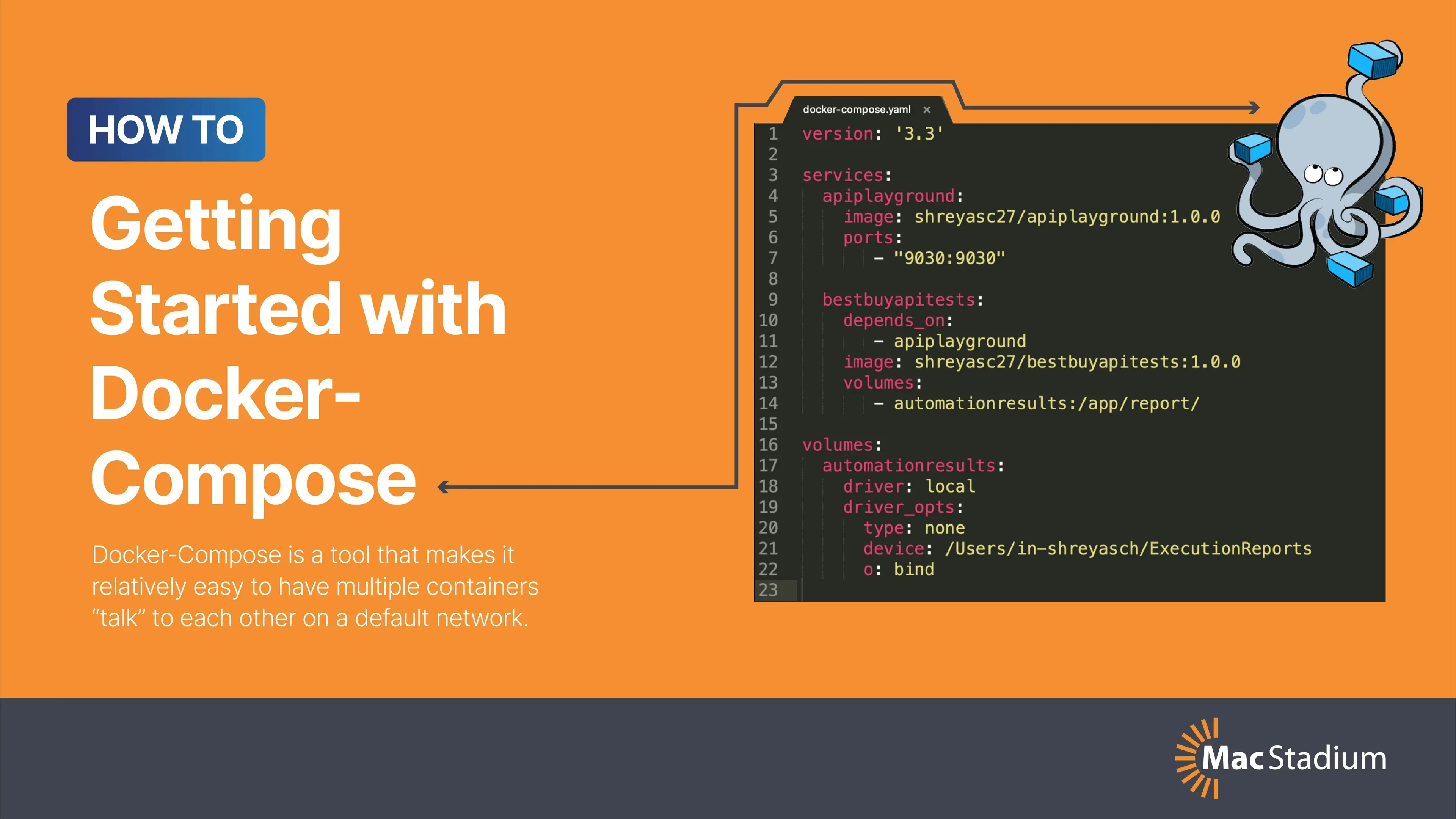
Docker-Compose fills the gap between running single Docker containers and enterprise-grade container orchestration engines like Kubernetes. With it, you can run multiple containers as services on a default network, so the services can communicate. Learn the basics of this powerful tool in this blog post.
This latest Xcode release is packed with great new functionality that makes developing for iOS and macOS even better. We highlight some of the best new features in this post.
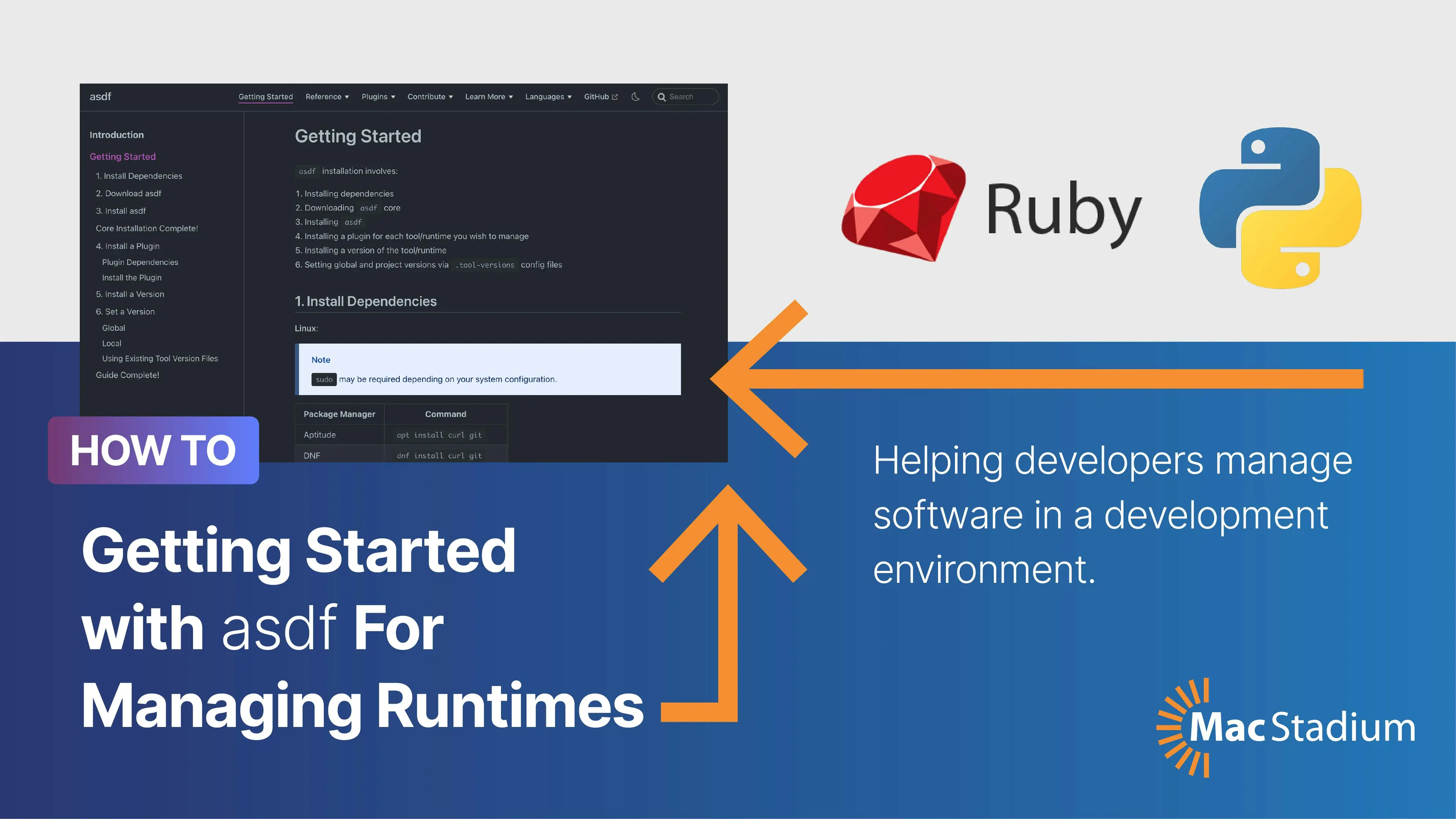
Managing multiple versions of tools and runtimes can get complex fast -- particularly when you have to automate the execution of code with multiple versions of a runtime for CI. To simplify this, we take a look at a version management tool called asdf in this blog post.
MacStadium is a proud sponsor of the annual MacDevOps YVR conference that wrapped up this past week. We call out a few of our favorite talks from this excellent knowledge sharing event in this post.